
Food combining: does eating protein and carbs separately help?
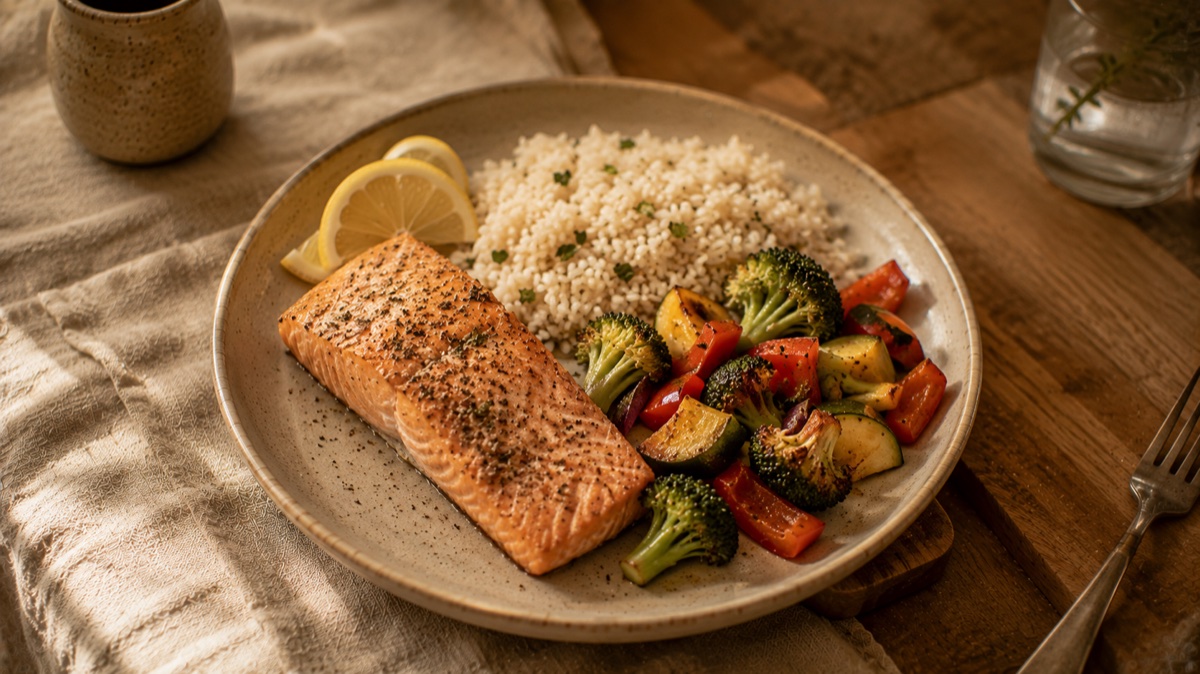
“Never mix protein and carbs.” “Eat fruit alone.” Food-combining rules sound scientific, but when researchers tested them, they didn’t hold up.
What the research shows
In a controlled trial, people eating a combined diet and people following strict food-combining rules lost the same amount of weight — because both groups ate the same calories. Separating foods added nothing. Your digestive system is fully capable of handling protein, carbs and fat in the same meal; that’s how humans have always eaten.
What actually helps weight
- Total calories and consistency — the real driver over time;
- Protein at each meal for fullness and muscle;
- Fiber from vegetables, legumes and whole grains;
- meals you enjoy enough to keep eating.
A simpler rule
Instead of complicated combining charts, build a balanced plate: half vegetables, a palm of protein, a fist of slow carbs, a little healthy fat. It’s easier, it’s satisfying, and it’s what the evidence supports.
Evidence-based PDF guides — anti-age, gut health, detox and more. Get them free, straight to your inbox.
Browse the guides →Frequently asked questions
Is it bad to eat protein and carbs together?
No. Your body digests mixed meals easily, and studies show combining them doesn’t affect weight loss when calories are equal.
Does food combining speed up metabolism?
No. There’s no evidence food-combining rules boost metabolism or fat loss beyond the calories you eat.
What actually helps weight loss?
A modest calorie deficit you can stick to, enough protein and fiber, and meals you enjoy — not the order or pairing of foods.
Skip the rules, keep the results
The free K Lab assessment builds balanced, protein- and fiber-rich meals around your tastes — no confusing combining rules, just food that works.
This article is educational and not medical advice.